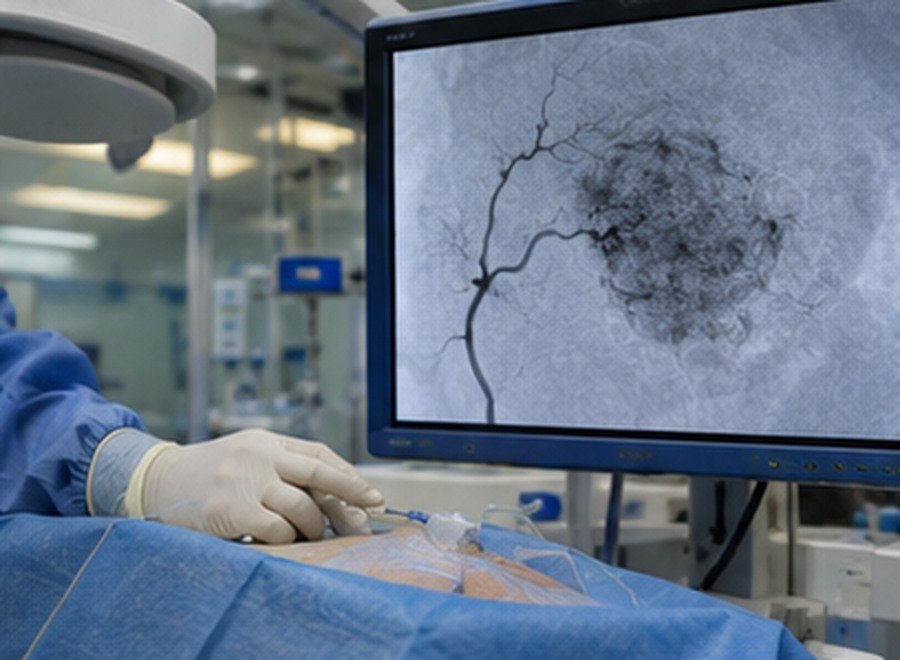
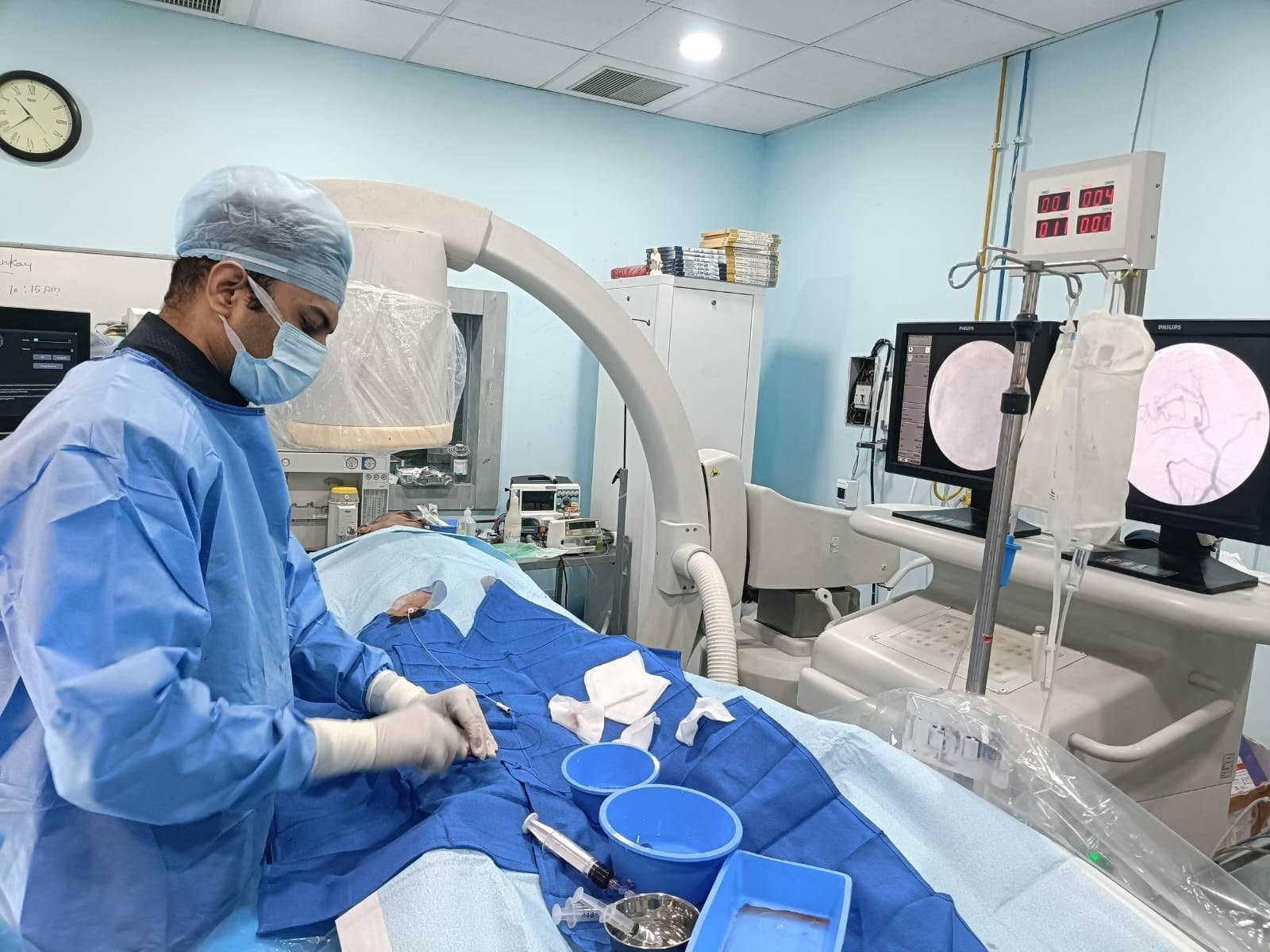
Treatment overview
Interventional Radiology: Image-Guided Care
Learn how medical imaging is used to guide selected diagnostic and treatment procedures in Mumbai.
ABOUT INTERVENTIONAL RADIOLOGY
Treatment overview · Mumbai
Understanding Interventional Radiology
Explore image-guided procedures, how they are performed and why suitability depends on individual clinical assessment.
EXPLORE TREATMENT OPTIONS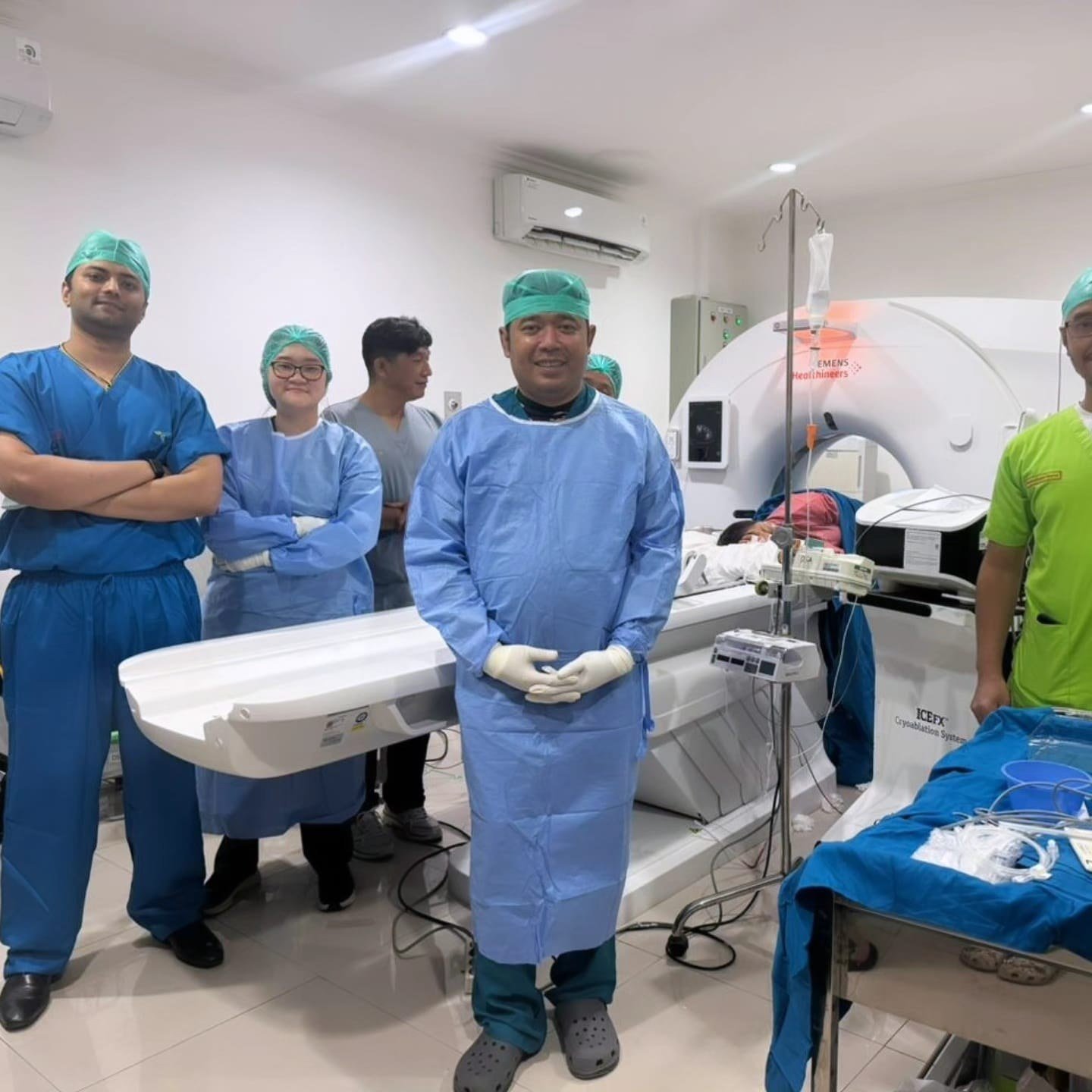
Interventional radiology · Mumbai
Image-Guided Procedures: An Overview
Explore treatment approaches used in selected vascular, oncology and other interventional radiology procedures.
EXPLORE TREATMENT DETAILS
Treatment overview · Mumbai
Varicose Veins Treatment in Mumbai
Learn about varicose veins, clinical assessment and image-guided treatment options. Appropriate care depends on individual evaluation.
READ ABOUT VARICOSE VEINS TREATMENT
Treatment overview · Mumbai
Cancer Treatment & Interventional Oncology in Mumbai
Explore image-guided treatment approaches used in selected cancer-care pathways and the role of multidisciplinary assessment.
READ ABOUT INTERVENTIONAL ONCOLOGY
Treatment overview · Mumbai
Thyroid Swelling & Goitre Ablation Treatment in Mumbai
Understand thyroid nodules, goitre assessment and treatment approaches involving image-guided ablation in selected cases.
READ ABOUT THYROID ABLATION TREATMENT
Treatment overview · Mumbai
Prostatic Artery Embolisation Treatment for BPH in Mumbai
Learn about benign prostatic hyperplasia (BPH), prostatic artery embolisation and factors considered during clinical evaluation.
READ ABOUT PAE TREATMENT FOR BPHABOUT DR. DAKSH CHANDRA
Interventional Radiologist in Mumbai
Dr. Daksh Chandra is registered with the Maharashtra Medical Council (Registration No. 2016/12/5264). This section provides general information about interventional radiology, a medical field that uses imaging guidance to support selected diagnostic and treatment procedures. The suitability of any procedure depends on the individual patient's condition and clinical assessment by the treating medical team.
ABOUT INTERVENTIONAL RADIOLOGY
Interventional radiology uses medical imaging to guide certain minimally invasive diagnostic and treatment procedures. Whether a procedure is appropriate is determined through individual clinical evaluation.
DOCTOR PROFILEProfessional Affiliations
The following institutional names are provided as professional-history information only. Current roles and affiliations must be verified and confirmed before publication.
Nanavati Max Hospital, Mumbai
Kamala Nehru Memorial Hospital, Prayagraj
Symbiosis Speciality Hospital, Mumbai
Care & treatment areas
Choose Our Treatments
Explore selected interventional radiology treatments and procedures. Treatment suitability is assessed individually.
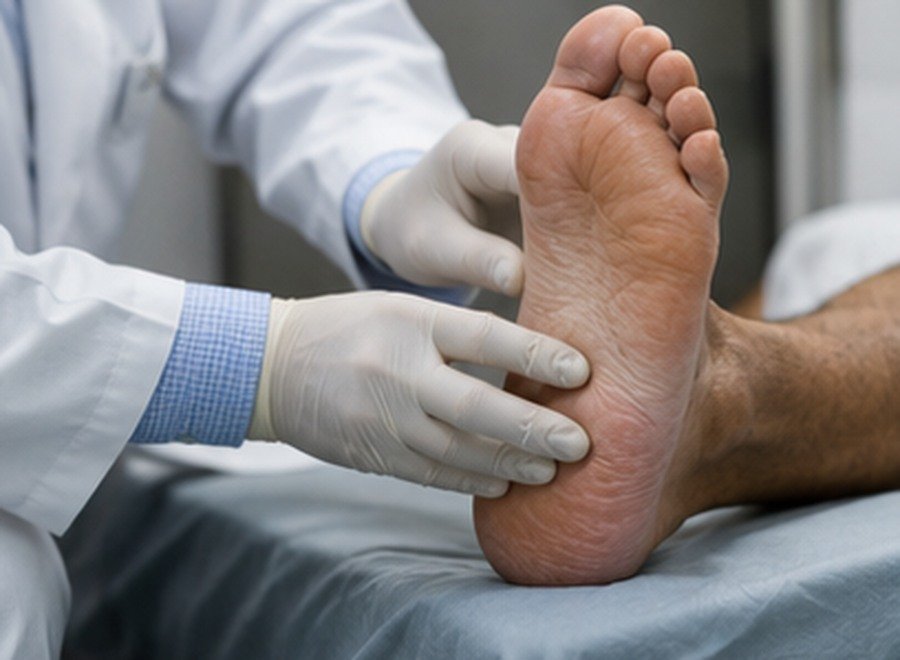
Diabetic Foot Management
Read More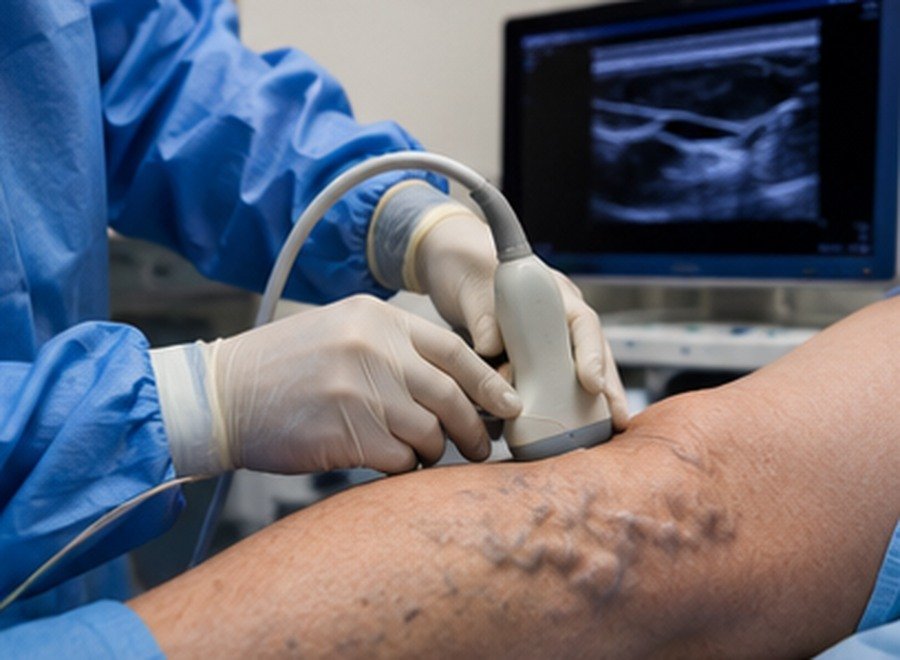
Varicose Veins Treatment
Read More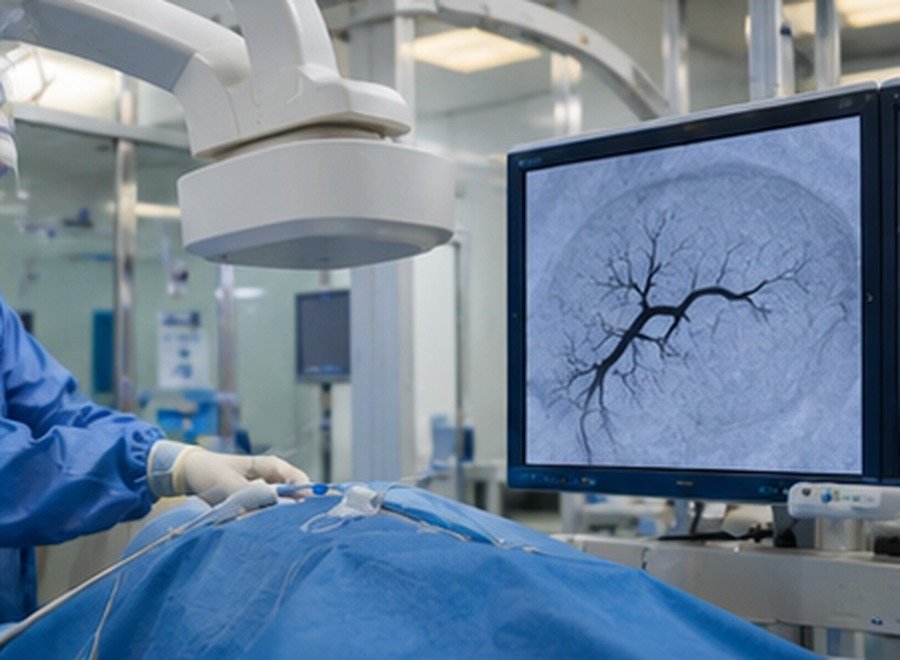
Portal Hypertension Management
Read More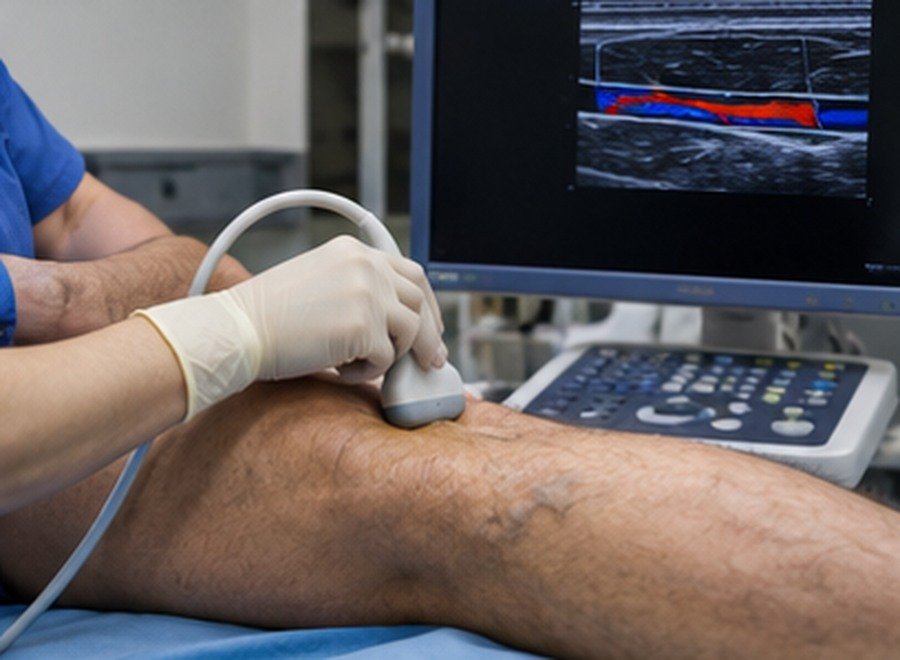
Deep Venous Thrombosis Management
Read More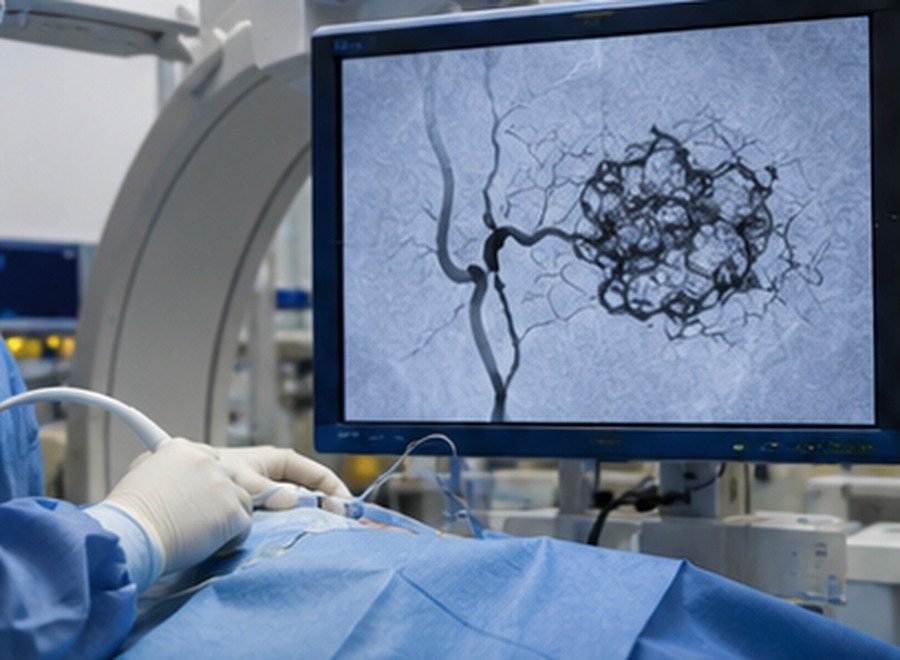
Vascular Malformation Management
Read More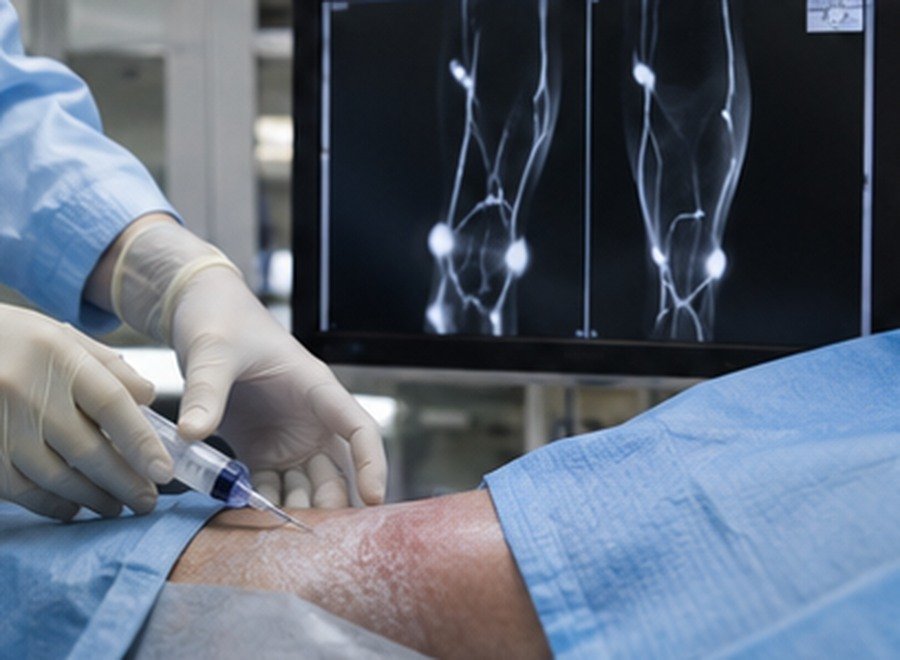
Lymphatic Interventions
Read More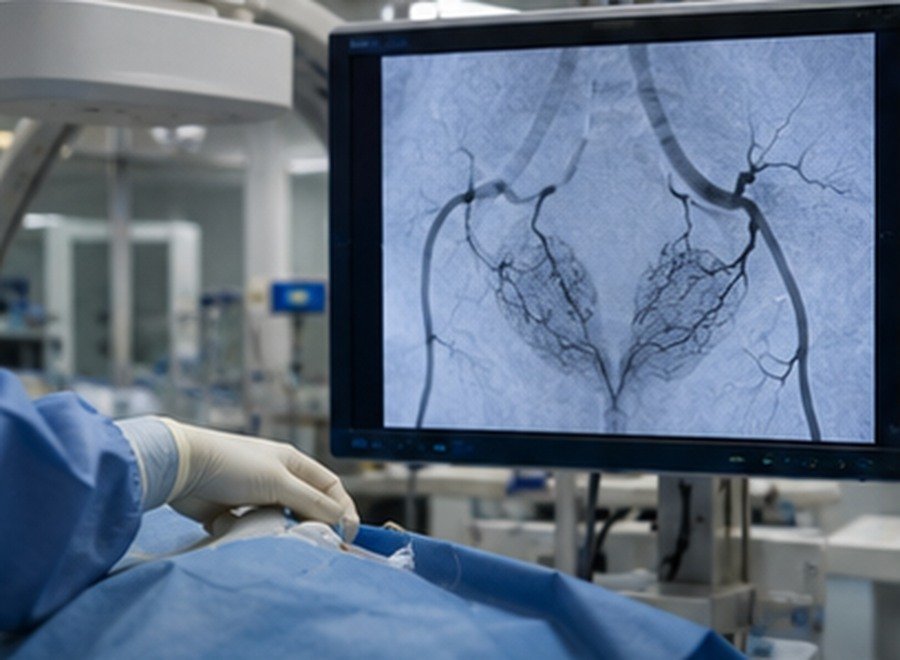
Uterine Artery Embolization
Read More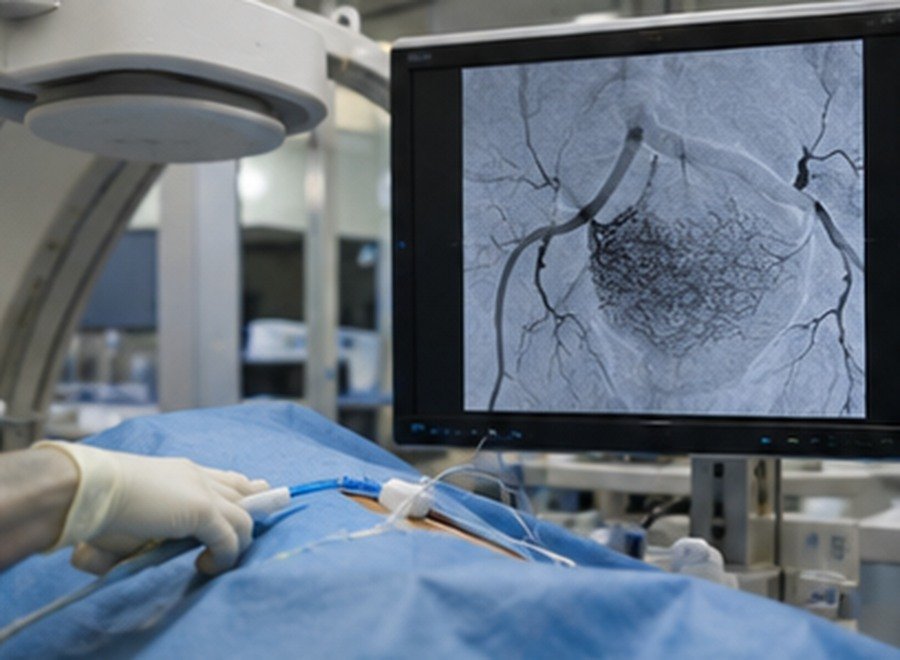
Prostatic Artery Embolisation for BPH
Read More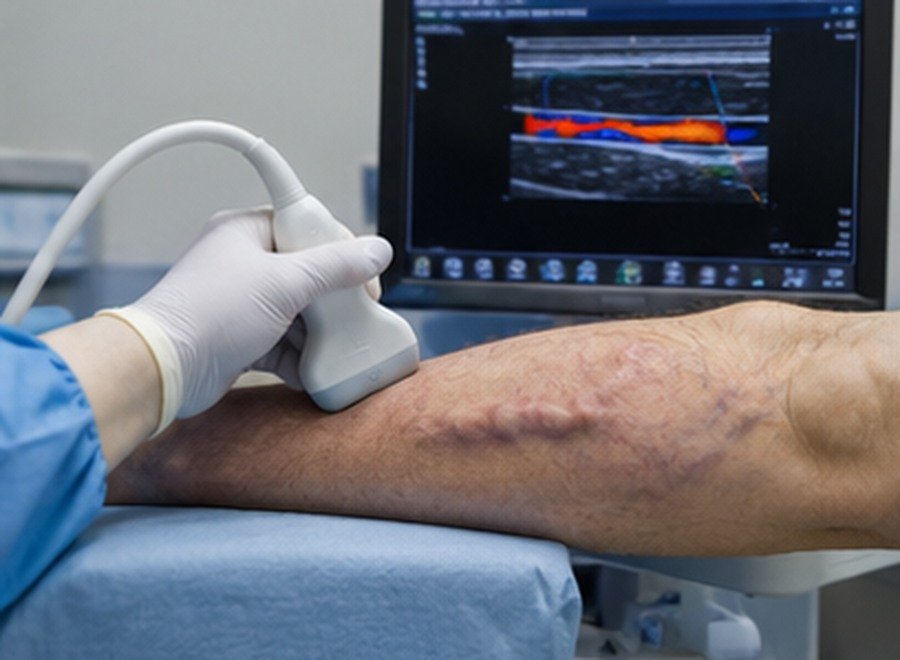
Dialysis Access and Fistula Management
Read More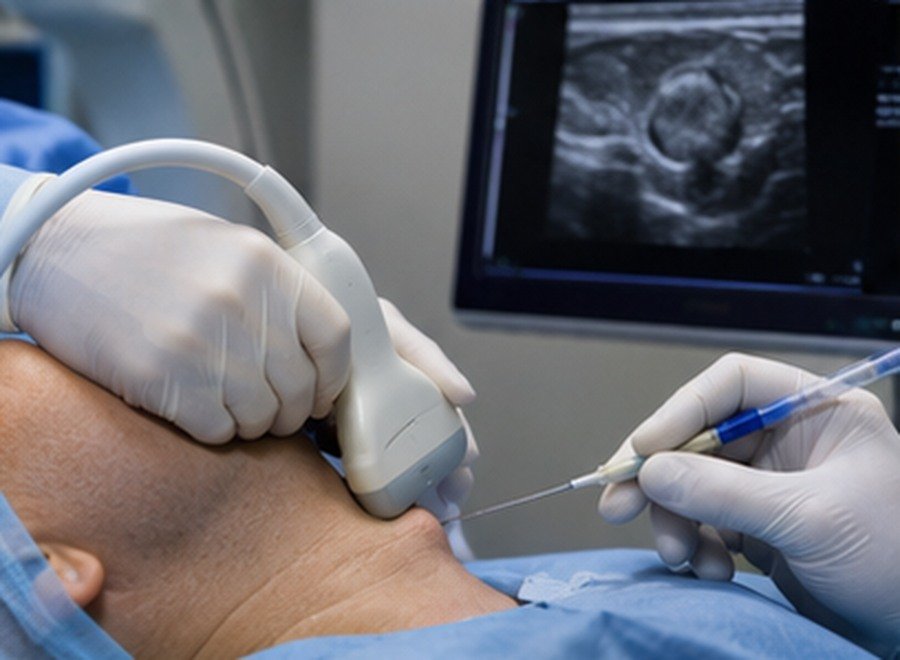
Thyroid Swelling – Goiter Ablation
Read More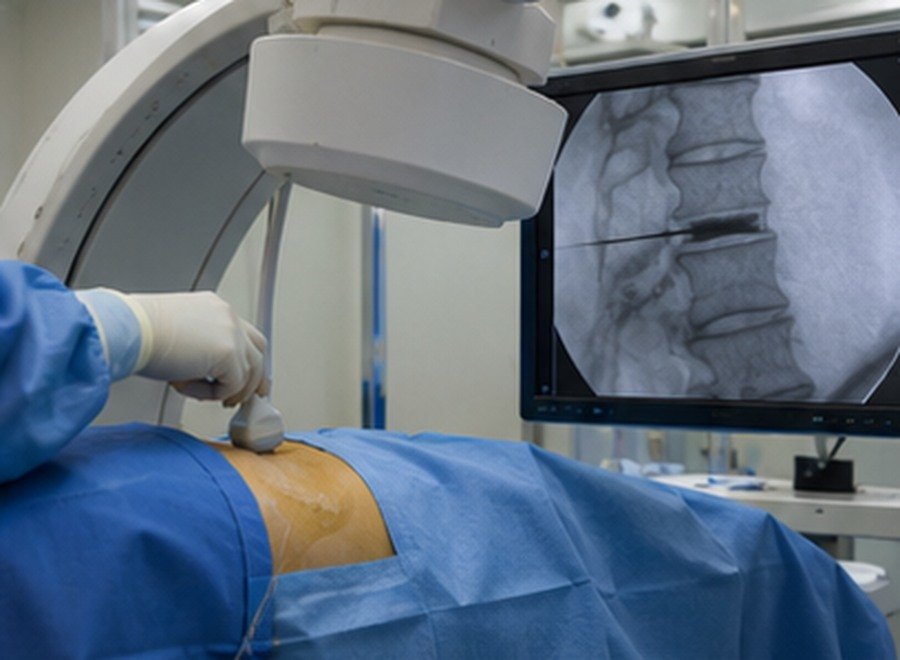
Miscellaneous Image-Guided Procedures
Read MoreUnderstanding Interventional Radiology
An overview of image-guided medical procedures and their role in patient care.
Image-Guided Procedures
Medical imaging techniques are used to guide certain diagnostic and therapeutic procedures.
Minimally Invasive Techniques
Some image-guided procedures may provide treatment options without conventional open surgery, depending on the clinical condition.
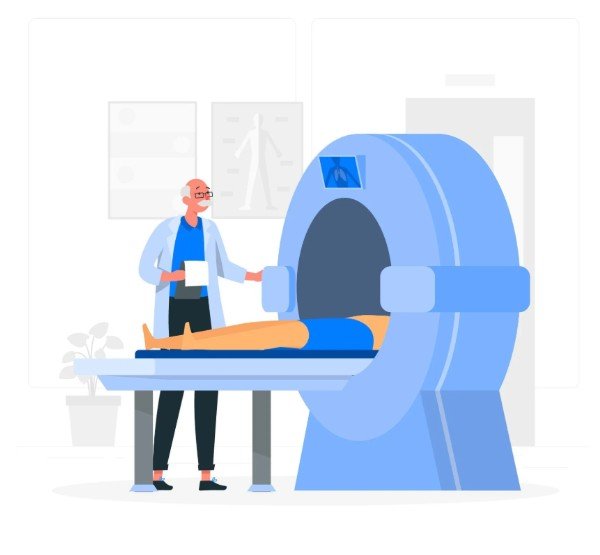
Imaging-Based Planning
Medical imaging helps clinicians assess conditions and plan appropriate procedures.
Multidisciplinary Care
Interventional radiology may form part of a coordinated treatment plan involving other medical specialties.
Patient information
Frequently Asked Questions
An interventional radiologist uses imaging guidance to perform selected diagnostic and therapeutic procedures. The procedures and their suitability depend on the patient's condition and clinical assessment.
Some patients with varicose veins may be suitable for minimally invasive, image-guided treatment options. A clinical evaluation is needed to determine the appropriate approach.
Ablation may be considered for selected thyroid nodules after appropriate investigations and specialist assessment. Not all thyroid swellings are suitable for ablation.
Prostatic artery embolisation is an image-guided procedure that may be considered for selected patients with symptoms related to benign prostatic hyperplasia. A specialist assessment is required to discuss whether it is appropriate.
When researching the interventional radiologist for your needs, review the doctor's relevant qualifications, training, experience with the specific procedure, hospital setting and the consultation discussion. Your treating team can help you make an informed decision.